Using Slow Feed Hay Nets for SheepUpdated 3 months ago
Sheep are known for burrowing deep into hay bales in search of the tastiest bits, which often leads to trampling and unnecessary waste. A slow feed hay net can help manage this, but it's important to choose the right setup for your flock.
Are hay nets suitable for sheep?
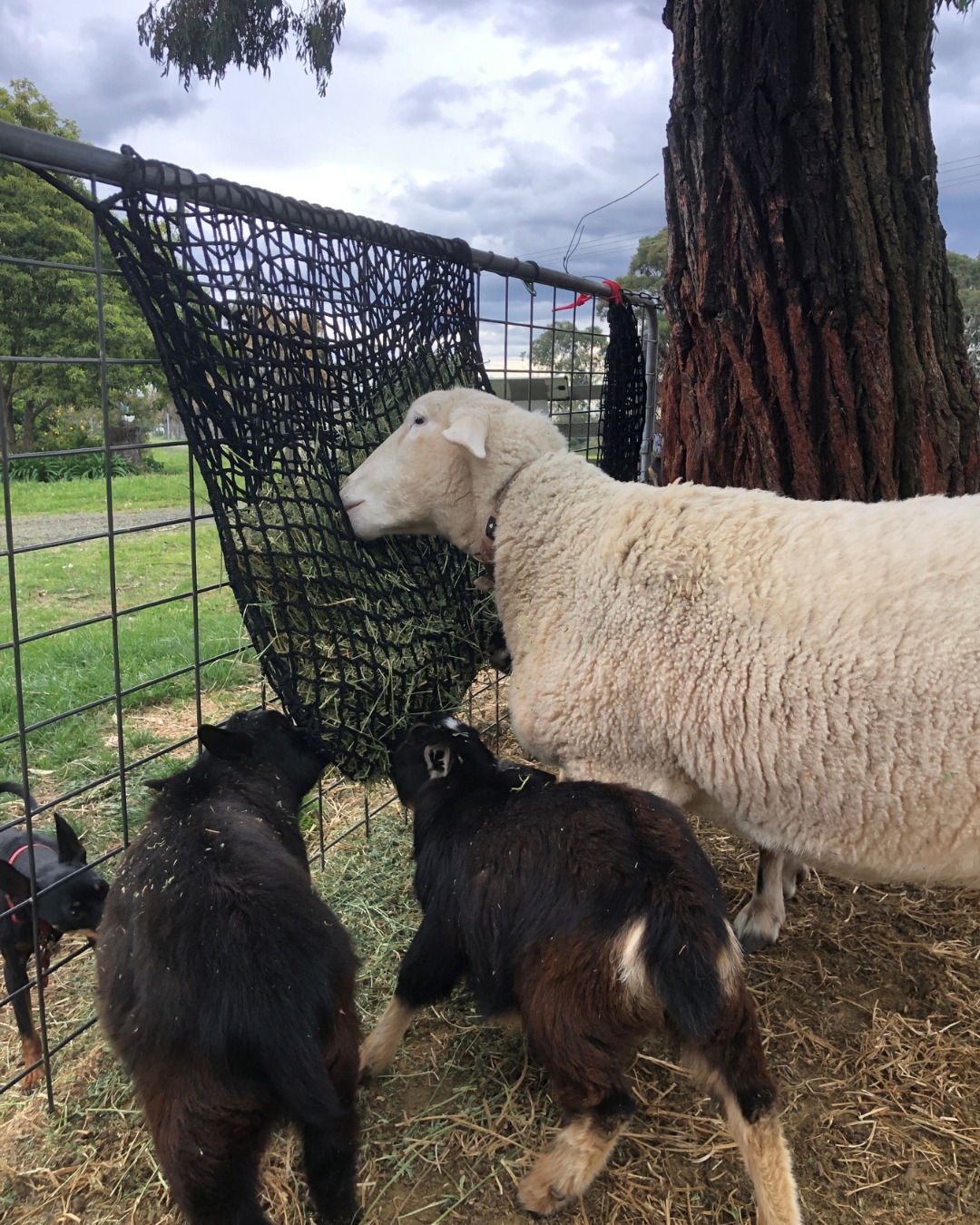
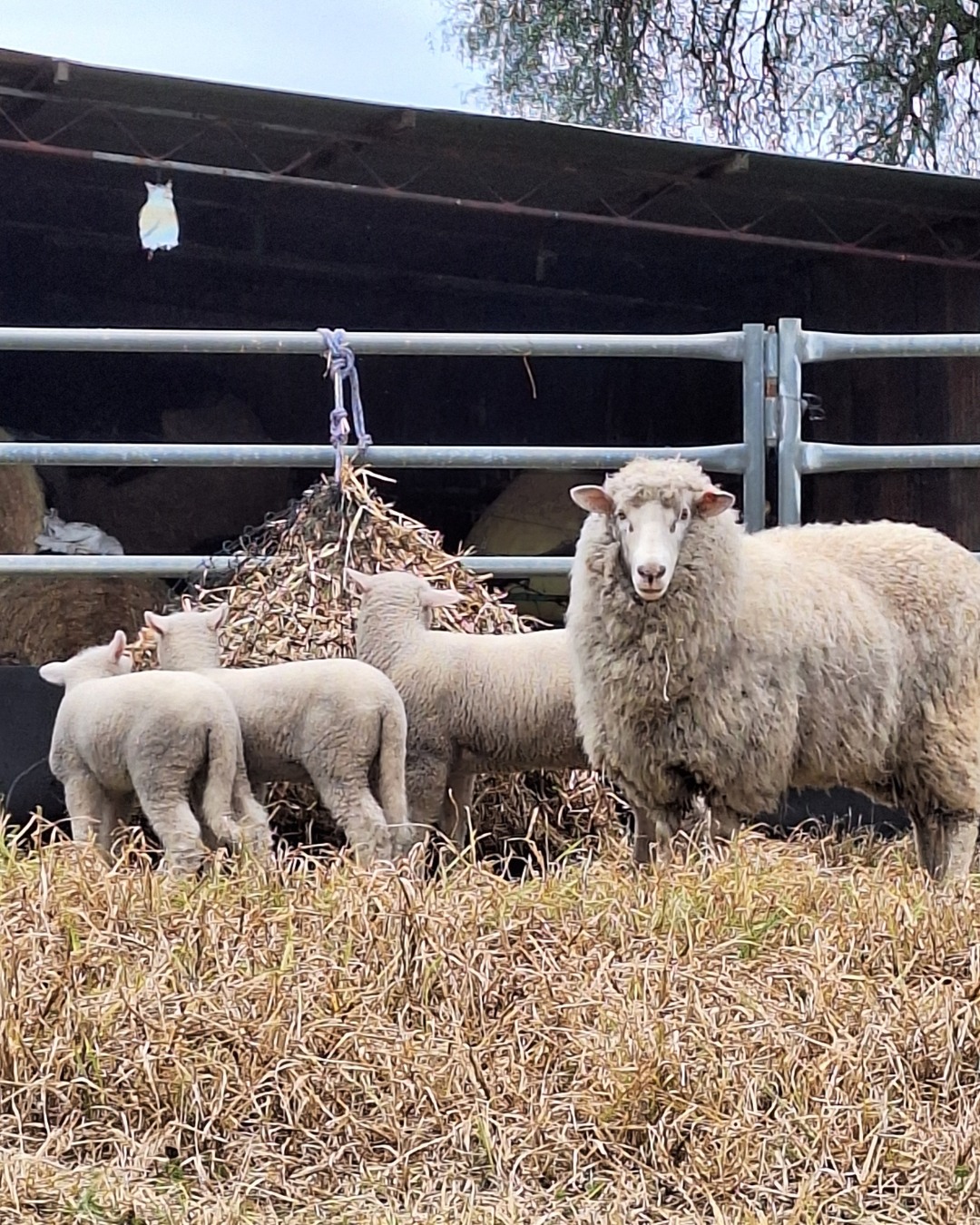
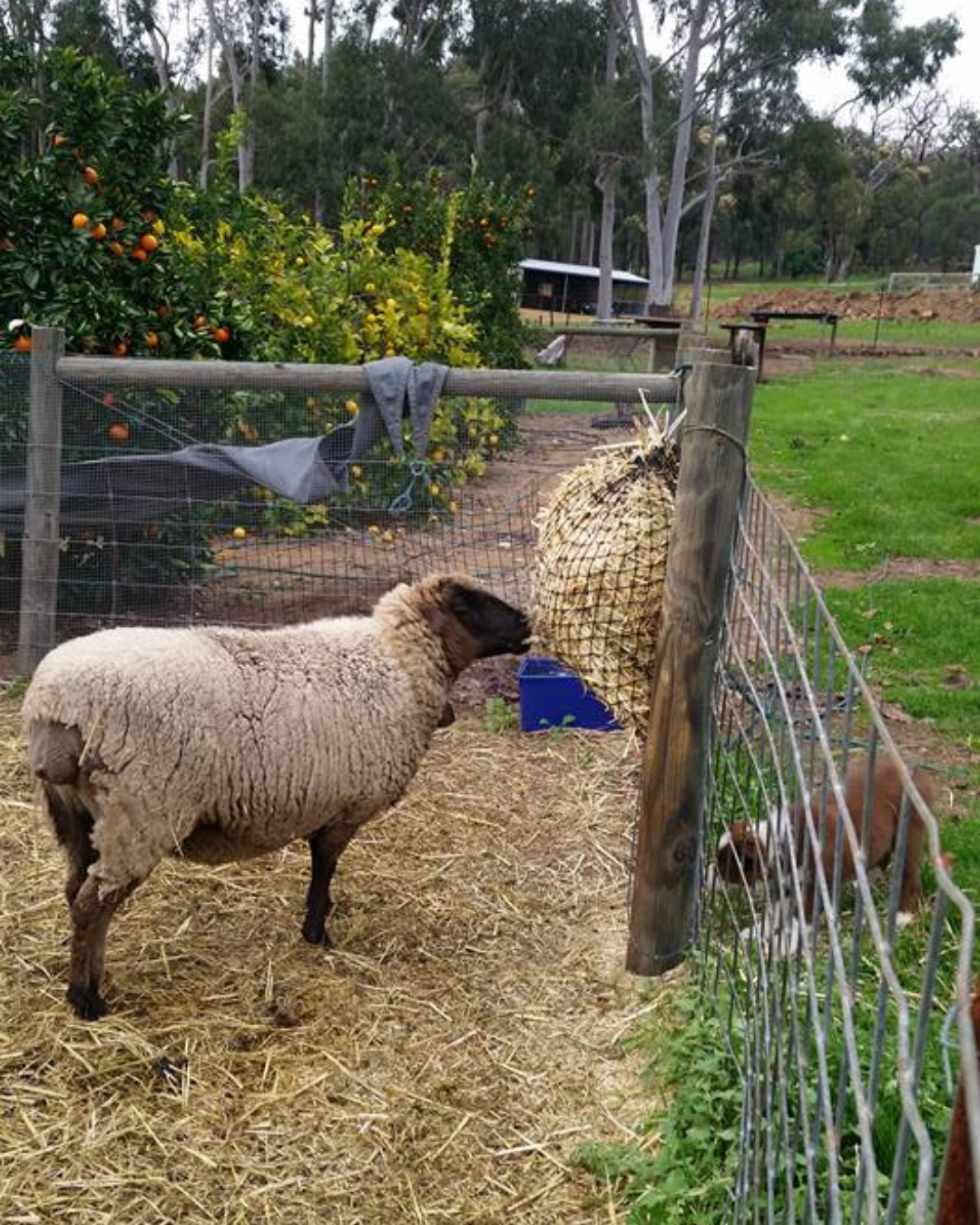
Yes! Many of our customers successfully use slow feed hay nets for sheep. Using a GutzBusta Hay Net helps keep hay clean, contained, and off the ground, reducing waste and keeping your flock happily munching for longer. At our own farm, I personally use hay nets daily to feed our sheep and have seen firsthand how effective they are in keeping feed tidy and lasting longer. They're simple to use, make feeding time stress-free, and keep the hay from being spread or soiled.
One customer reported that:
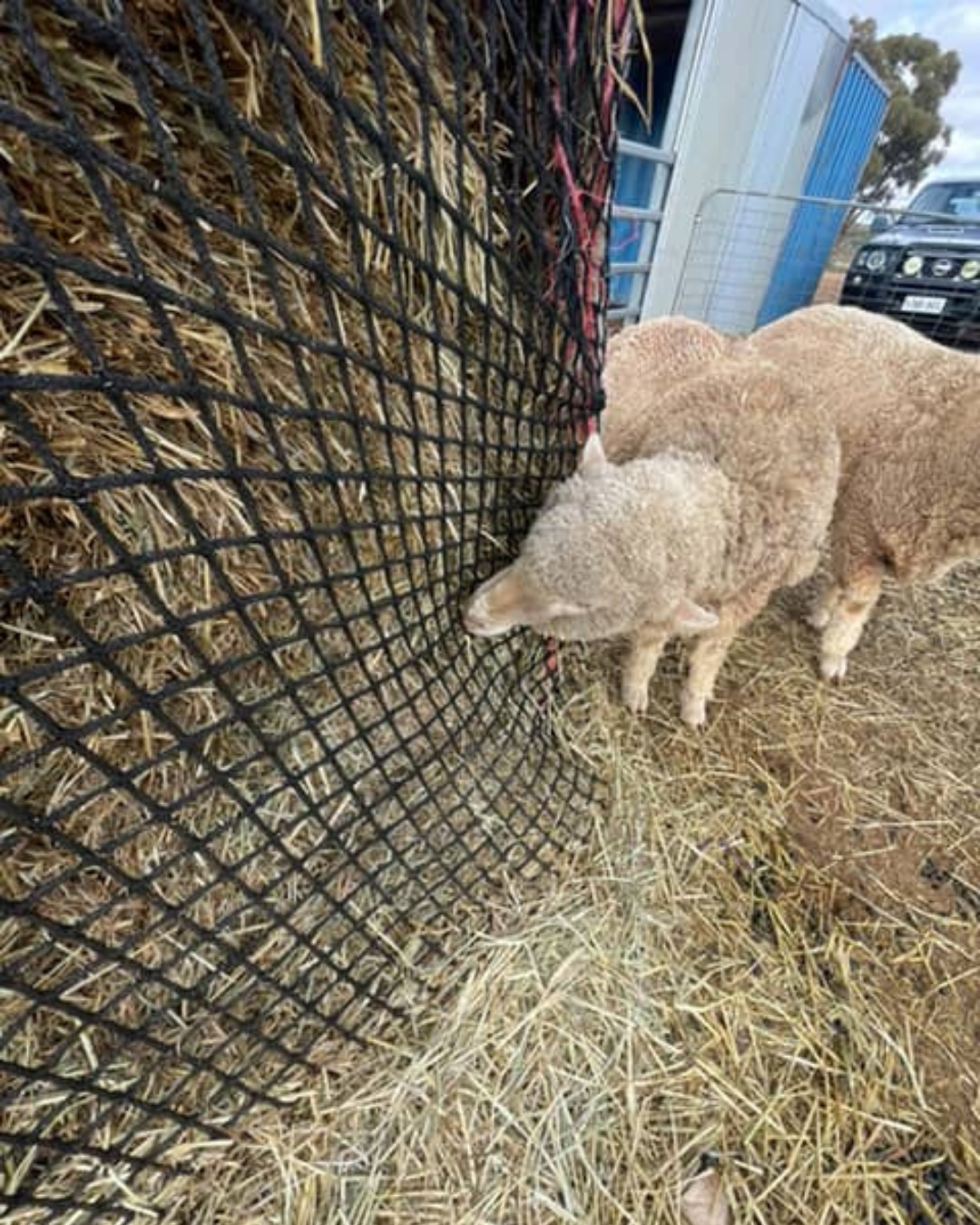
"After using a 3cm (1 ¼) Round Bale Hay Net with her sheep, goats and alpacas, she has gone from going through 1 round bale ever week to the round bale lasting to between 5 and 6 weeks. The net therefore pays for itself very quickly."
What hole size should I use?
For sheep, we generally recommend:
- 4cm (1 ¾") → A great starting point for most setups
- 3cm (1 ¼") → If your hay is very soft, leafy, and highly palatable
If your sheep tend to burrow their heads into the bale chasing seeds or the more palatable sections of hay, starting with the 4cm / 1 ¾" size and adjusting from there based on how they take to it is the best approach.
What about horns?
Some sheep breeds have horns, so it's worth thinking through your setup if this applies to your flock. We haven't had any reports this has happened from our customers but there's always a possibility this could happen, so we recommend monitoring your flock, especially when the net is first introduced.
Why use a hay net for sheep?
Using a slow feed hay net is a great option because it can help reduce hay waste, encourage more consistent eating, slow intake without restricting access, and keep hay contained and off the ground.
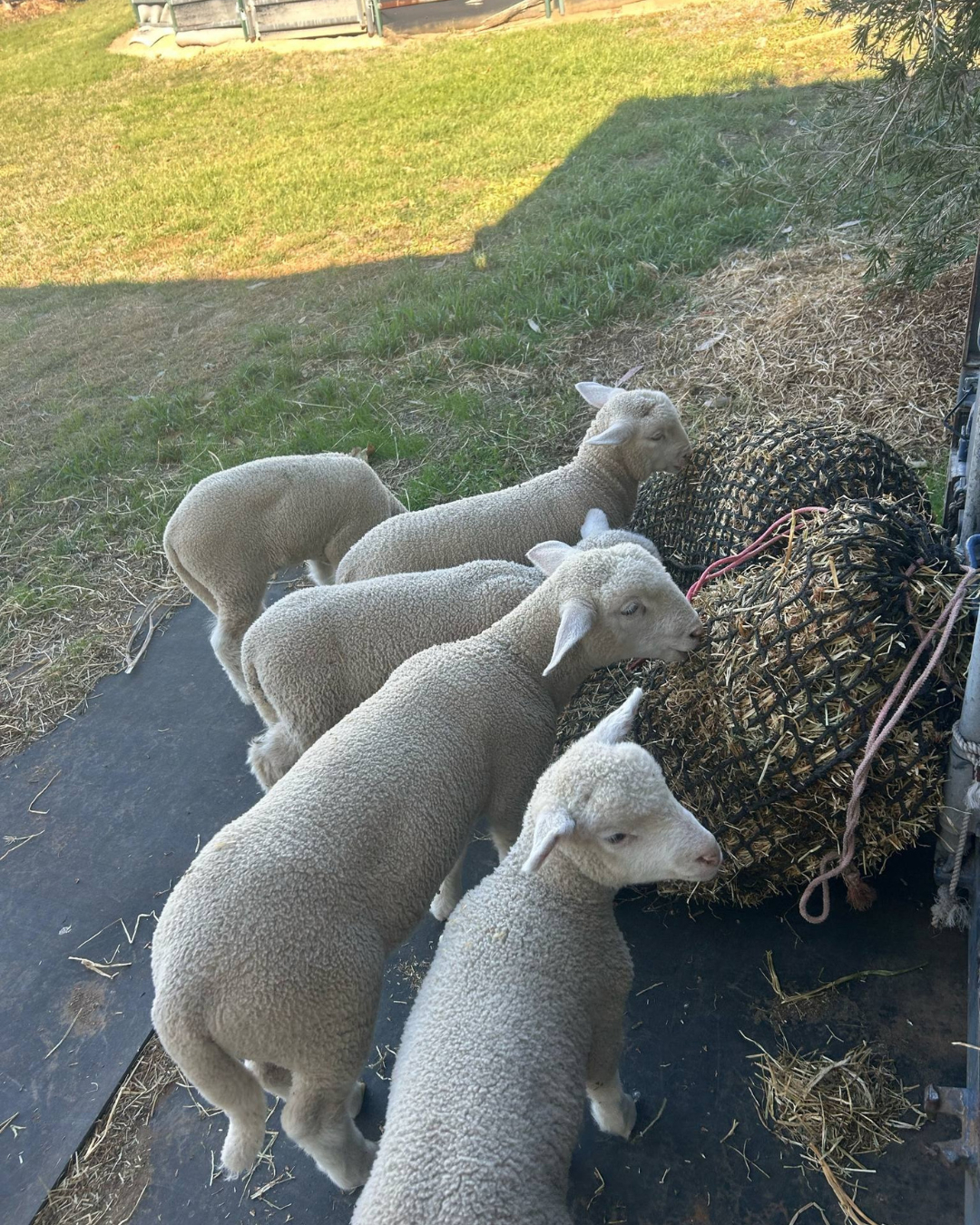
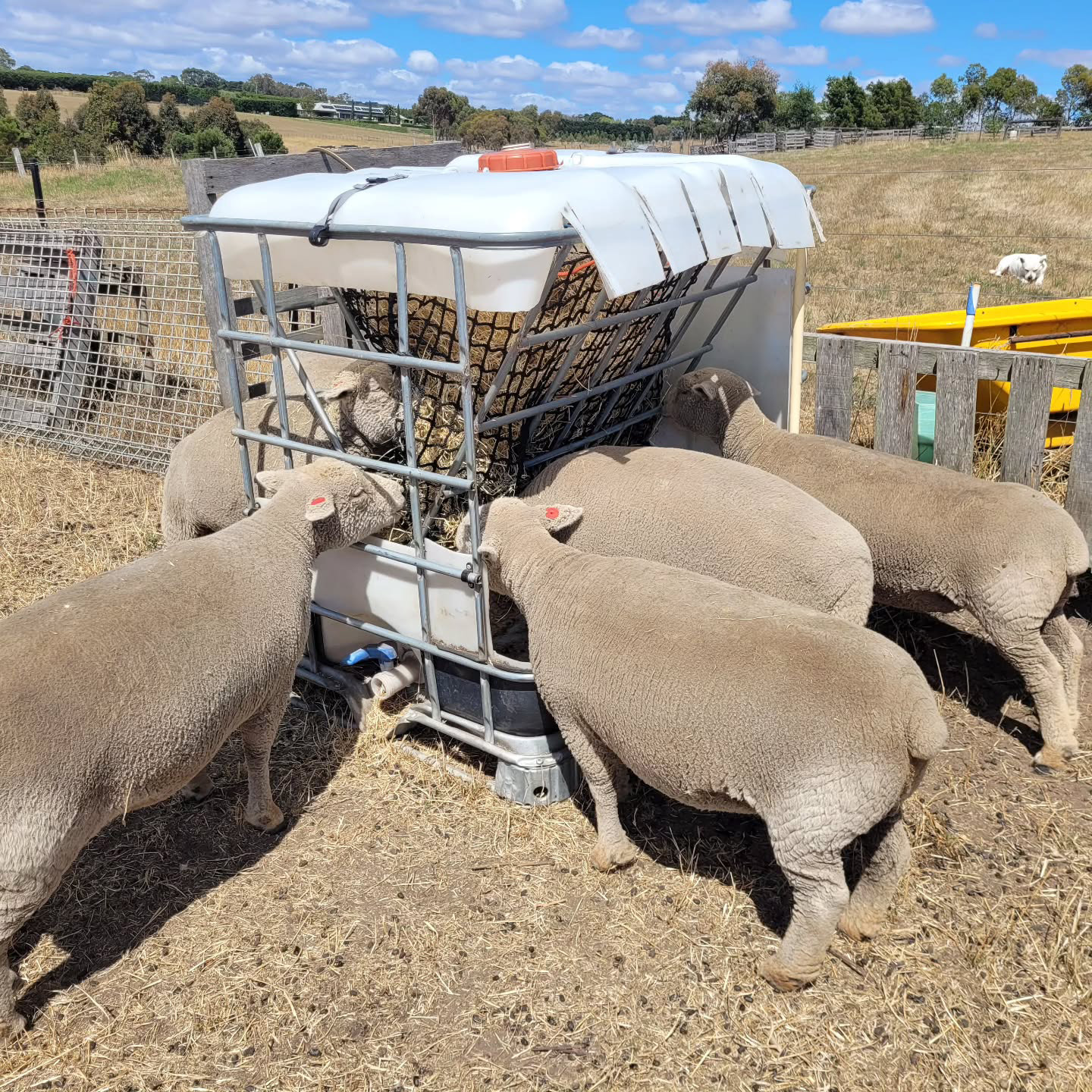
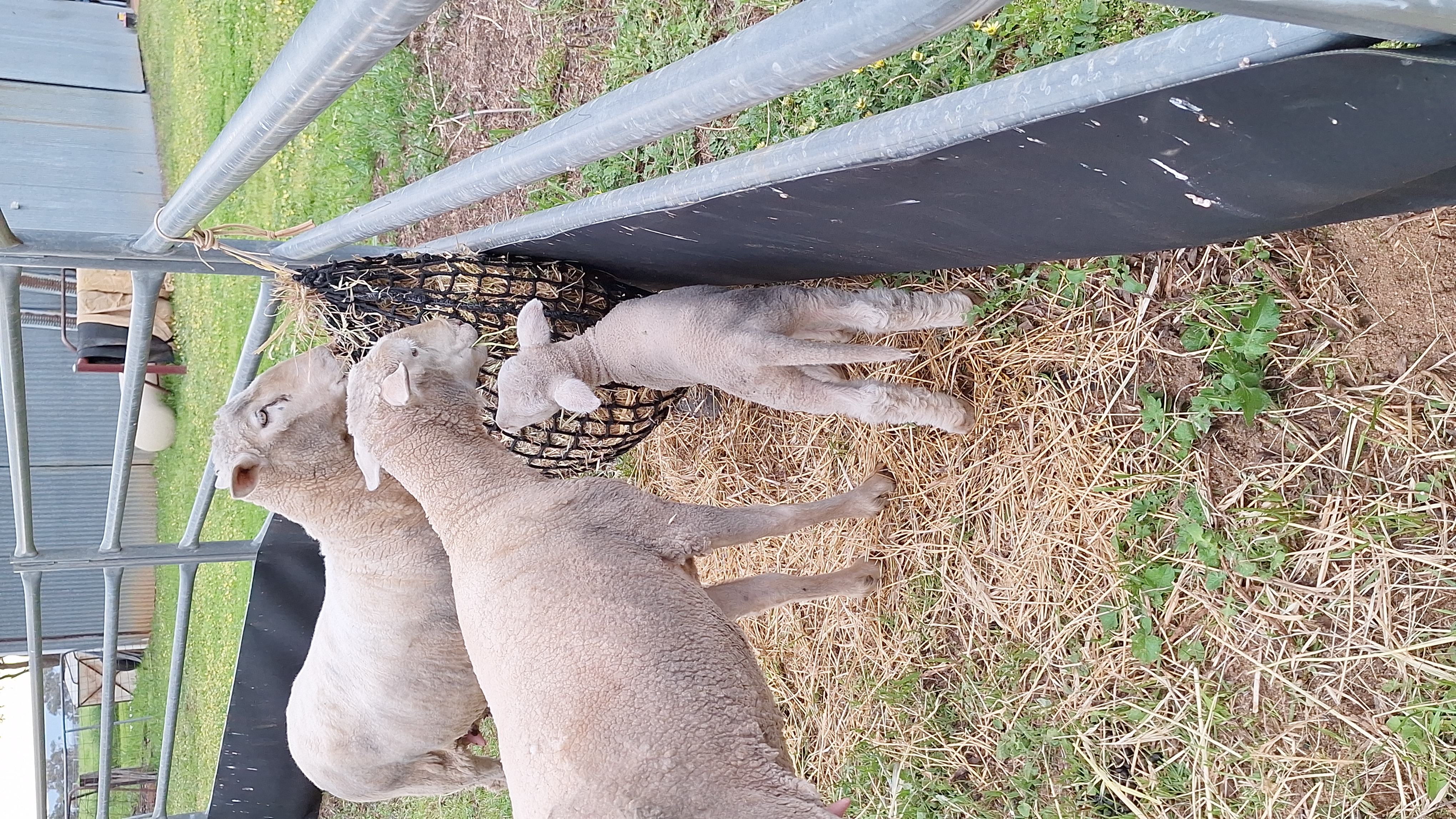
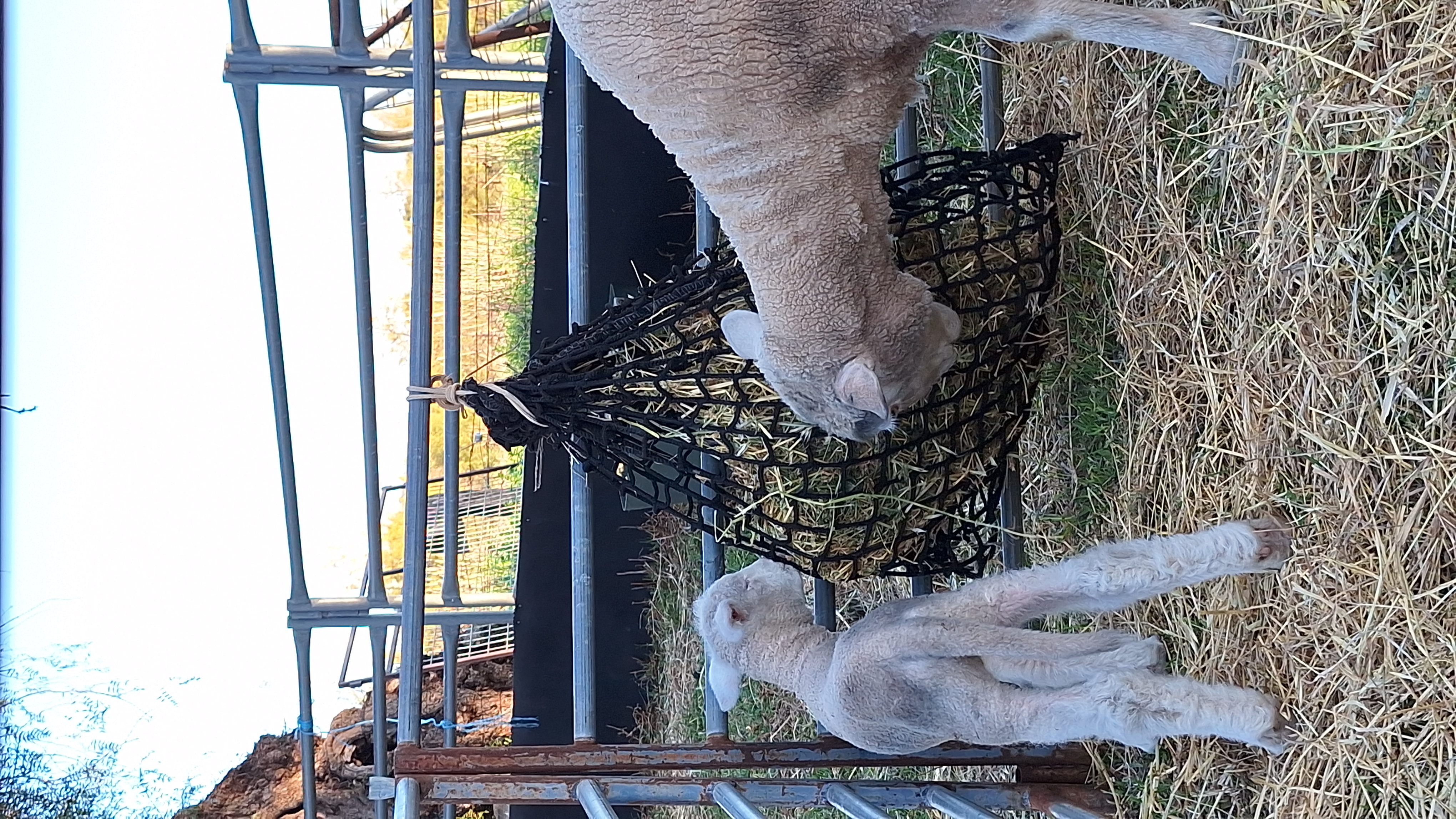
Please Note: If your sheep have horns, there's a risk of these getting caught in any type of netting feeder. In those cases, use caution and consider whether a hay net is suitable for your setup.
Monitoring small hooved animals that may jump on hay nets is recommended. Although we have never had an issue reported, it is advised to watch that small feet/hooves don't become entangled in the netting. For added safety, choose a hole size smaller than your animal's hoof and position the hay net off the ground where possible. This helps reduce the risk of entanglement during feeding.
If you'd like to know more, you can also read our other livestock guides:
→ What Size Hole Suits Your Livestock the Best?
→ Are Slow Feeder Hay Nets Suitable for Livestock?
Need help choosing?
If you're unsure what will work best for your sheep, feel free to reach out. We're always happy to help guide you based on your hay type, setup, and how your flock is currently feeding.