How GutzBusta Hay Nets Perform in Winter ConditionsUpdated 2 months ago
Can hay nets be used in snowy conditions? It’s a great question and one we’ve often wondered ourselves. Being founded in Australia, we don’t experience extremely harsh winters with heavy snow and prolonged freezing temperatures, which means it’s not something we’ve been able to fully test firsthand.
So when we expanded into the USA, it didn’t immediately cross our minds that winter feeding in deep snow and icy conditions would become such a common question. It simply wasn’t something we had firsthand experience with.
What has happened over time, though, is that our customers have been testing this for us in real-world conditions. Photos, videos, messages, and reviews started coming in from customers feeding through snowy winters. The feedback we’ve received has been incredibly interesting, insightful, and genuinely helpful, far beyond what we could ever replicate ourselves.
We’re so grateful to our customers for sharing their experiences. Because of them, we’ve been able to learn how our hay nets perform in conditions we don’t experience in Australia, and pass that knowledge on to others asking the same question.


📍 New Hampshire
What we have learned so far
As expected, our knotted hay nets tend to perform better in snowy conditions. This is largely due to the material they’re made from, which doesn’t readily absorb water or moisture. In contrast, we’ve received reports from a handful of customers that, in certain situations, knotless hay nets have frozen, making it difficult for their horses to eat from them.
The knotless range is made from a 240ply polypropylene material, which is thicker and softer by design. Our knotted hay nets, on the other hand, are made from a 60ply polyethylene material, which is coarser and less prone to holding moisture. Because the knotless material can take on water, it’s not entirely surprising that freezing has occurred under specific winter conditions.
That said, we hadn’t received any reports of the netting freezing during the previous two winters (2023 and 2024), which really underlines how unpredictable winter conditions can be, and also that this has only been a minor observation with a small number of customers.
It’s also important to note that comparing performance isn’t always straightforward. Our customers are spread across many different parts of the USA, where temperatures, snowfall, humidity, and ground conditions can vary significantly. As with most feeding setups, it really does come down to individual circumstances.
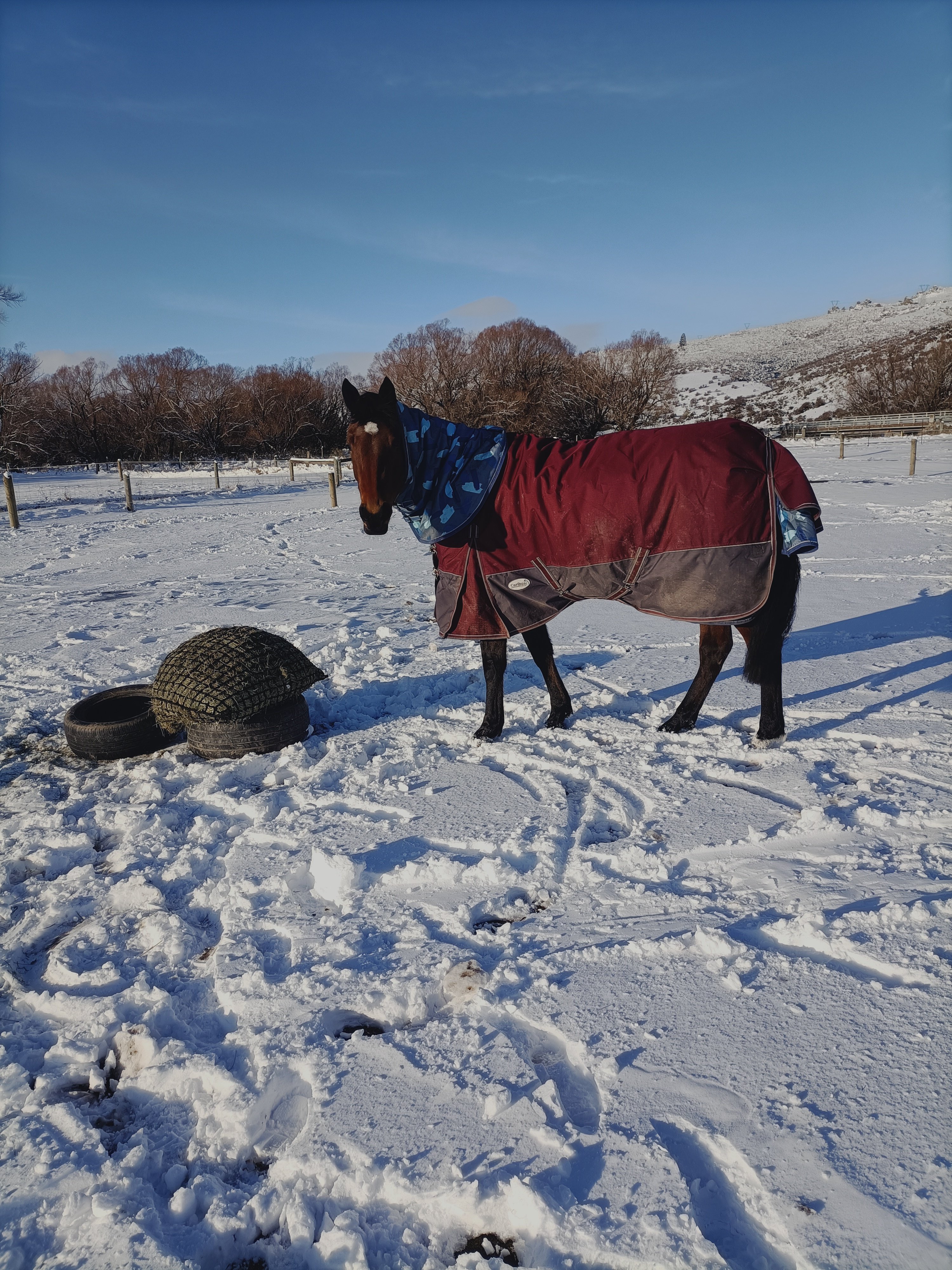
One consistent piece of feedback we’ve learned from customers is that keeping hay nets off the ground can make a big difference. Creating separation from frozen ground using timber, rubber mats, or raised feeders, helps reduce moisture contact and can minimise the chance of freezing.
When nets sit directly on frozen or snow-covered ground, they’re more likely to freeze solid. Creating separation between the net can reduce contact with moisture and cold surfaces. Although, as with many aspects of feeding and management, there’s no single solution that works for everyone. Climate, ground conditions, hay type, net style, and how the net is hung or placed all play a role.
2026 Updates
We received some interesting feedback from a customer in Michigan, USA about their experience using our knotless hay nets in fluctuating winter conditions.
The customer was feeding outdoors in a pasture during winter and reported that during the fluctuating winter conditions (where rain, sleet, or melting snow was followed by freezing temperatures) the knotless hay nets absorbed moisture and then froze stiff, making them temporarily unusable. The nets needed to be brought indoors to thaw and dry before they could be used again, and this process repeated as the weather fluctuated throughout the season.
Our hay nets have been used successfully through winter in Australia, New Zealand, the UK, and the USA. They have been specifically used across the USA for the past three winters, and only a small number of customers have reported this experience.
We do understand that in some circumstances where rain, sleet, or melting snow is followed by freezing temperatures, the knotless netting will absorb moisture and subsequently freeze stiff, making the net temporarily difficult to use until it is thawed and dried. This has only been reported by a small number of customers in regions that experience frequent freeze-thaw cycles, and is not something commonly encountered in most winter climates.
However if this is a possibility in your area where temperatures will be under freezing for extended periods of time, and you are using your hay net outdoors, then this factor will need to be taken into account. For these situations, we advise that our knotted netting is a better choice as it does not take on the moisture like the knotless nets do.

📍 Michigan
Why Customer Feedback Matters So Much
Because we don’t experience snow regularly in Australia, this real-world feedback from winter environments is incredibly important to us. It helps us understand how our hay nets perform in conditions we simply can’t replicate locally, and it allows us to pass on practical insights to other customers facing similar challenges.
It’s a reminder that feeding setups are always individual. What works perfectly in one paddock, barn, or climate may need small adjustments somewhere else and that’s completely normal.
Thank You to our Customers for Sharing Your Experiences!
We’re genuinely grateful to our customers across the USA and around the world for taking the time to share photos, videos, and honest feedback. Seeing how our hay nets are being used in snowy winter conditions helps us learn, improve, and support the wider community.
If you have a photo, video, or review you’d like to share, whether it’s winter feeding, summer setups, or anything in between we’d love to hear from you. Feel free to email it through to us, your experiences help others, and they help us too.


📍 Indiana
Knotless Hay Net - 4x4 Round Bale 3cm / 1 1/4”

📍 Ohio
Small Knotless Slow Feed Hay Net 2cm / 3/4”
Medium Knotless Slow Feed Hay Net 2.5cm / 1"

📍 Arizona
Large Knotless Slow Feed Hay Net - 2cm / 3/4"
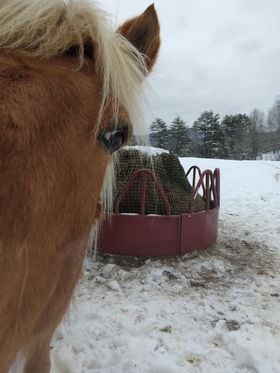
📍 New HampshireKnotless
Hay Net - 5x4 Round Bale 4cm / 1 3/4
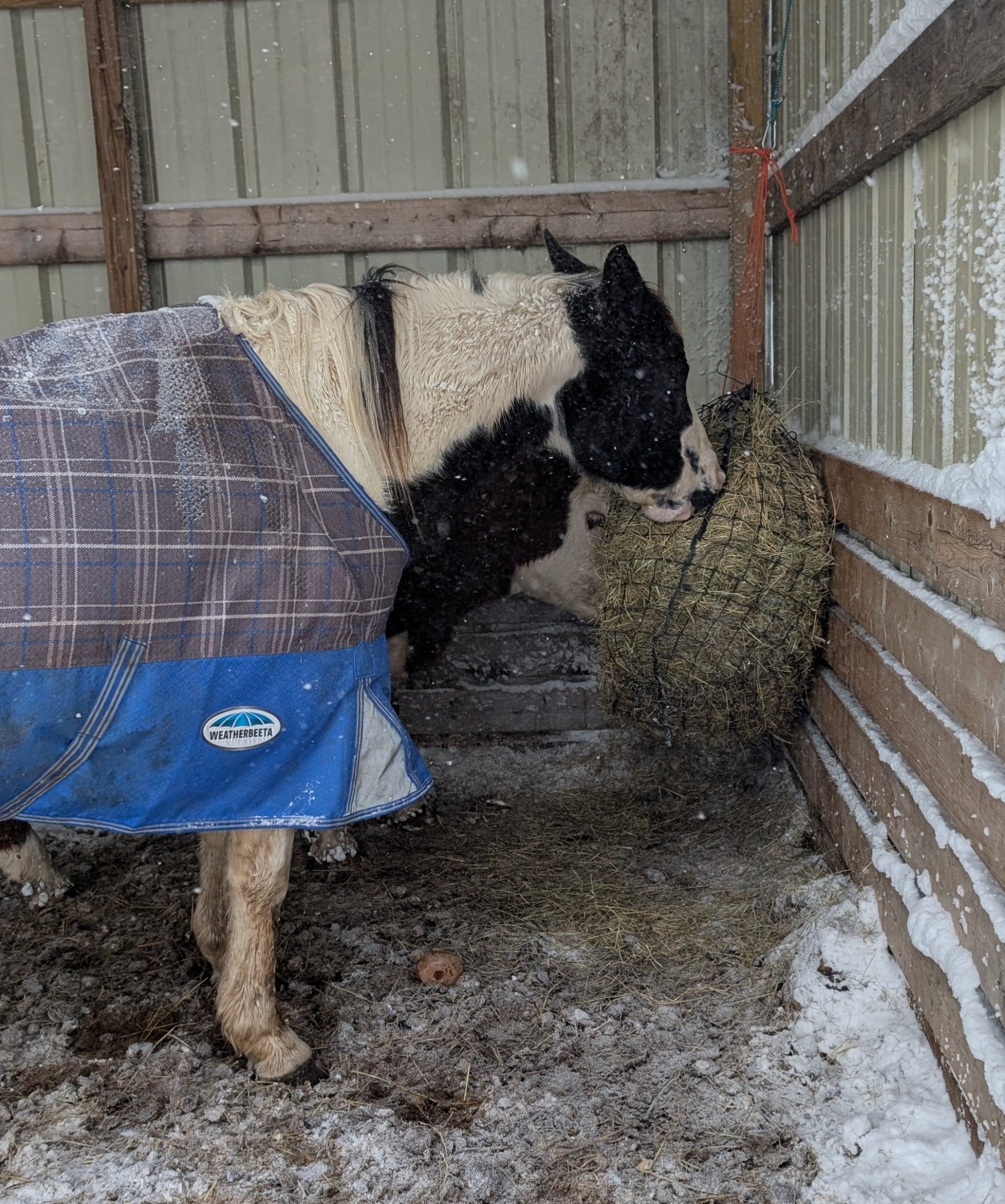
📍 New York
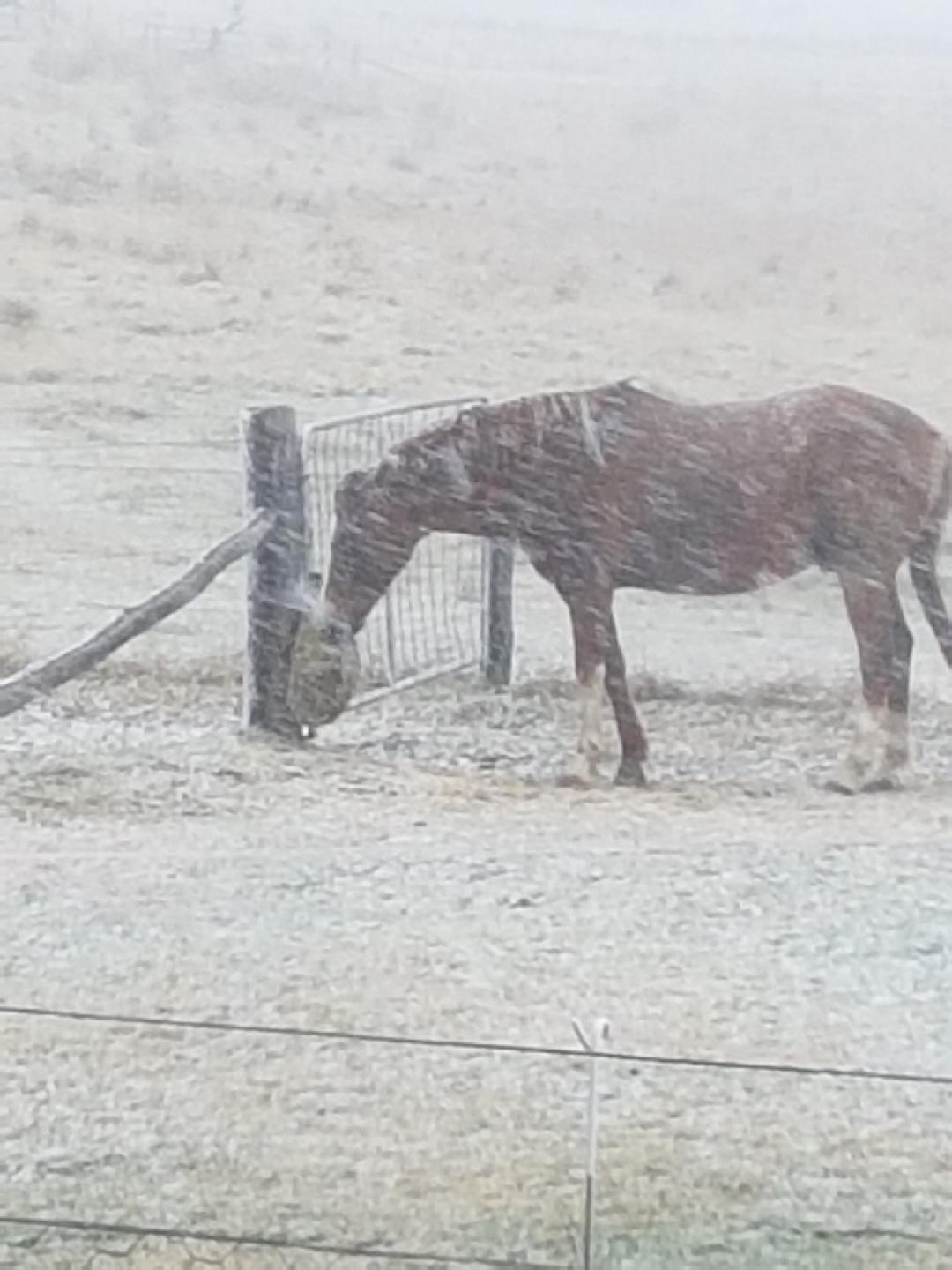
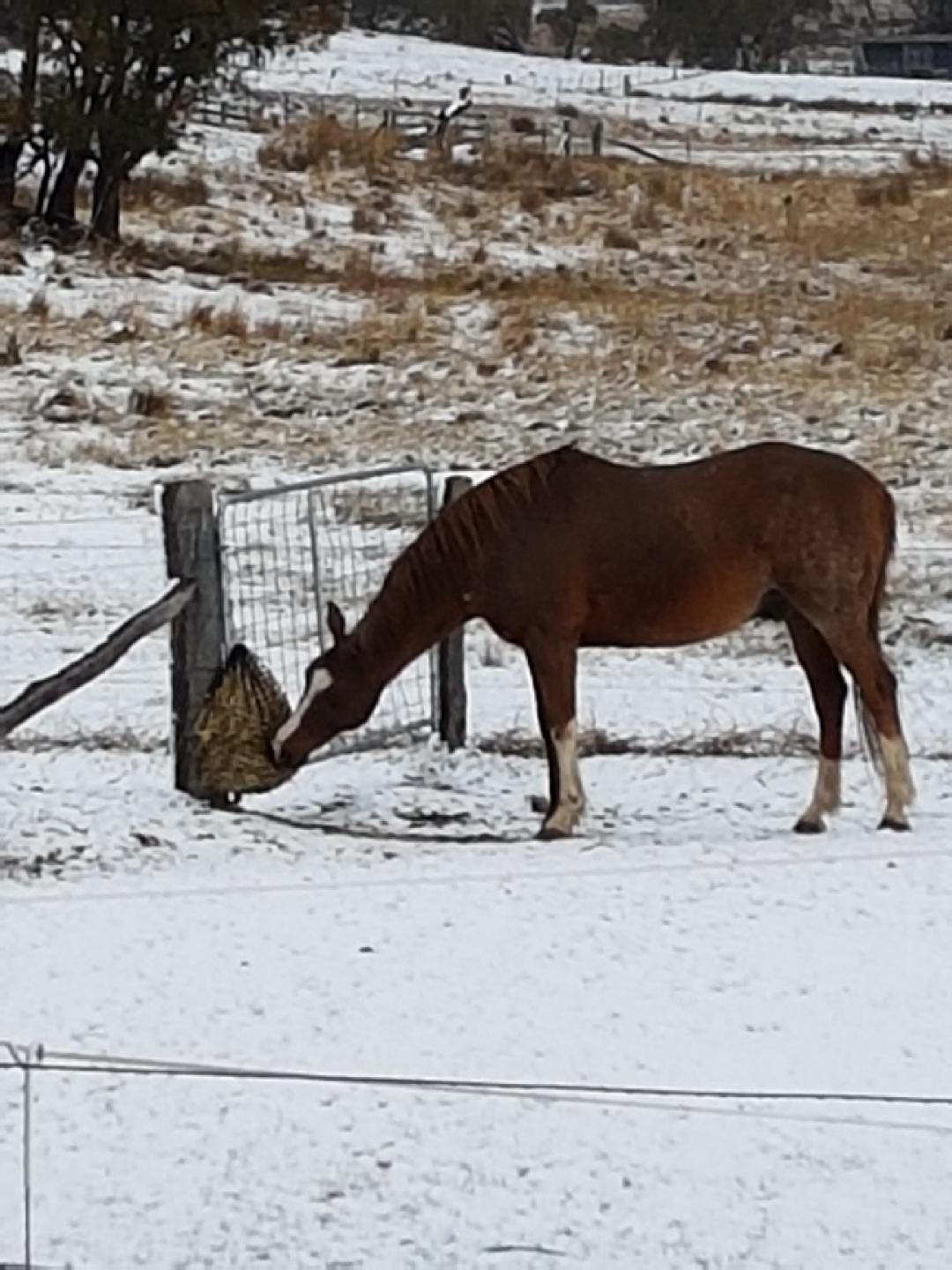
📍 NSW, Australia
Small Knotless Hay Nets 3cm / 1 1/4”
.jpg)